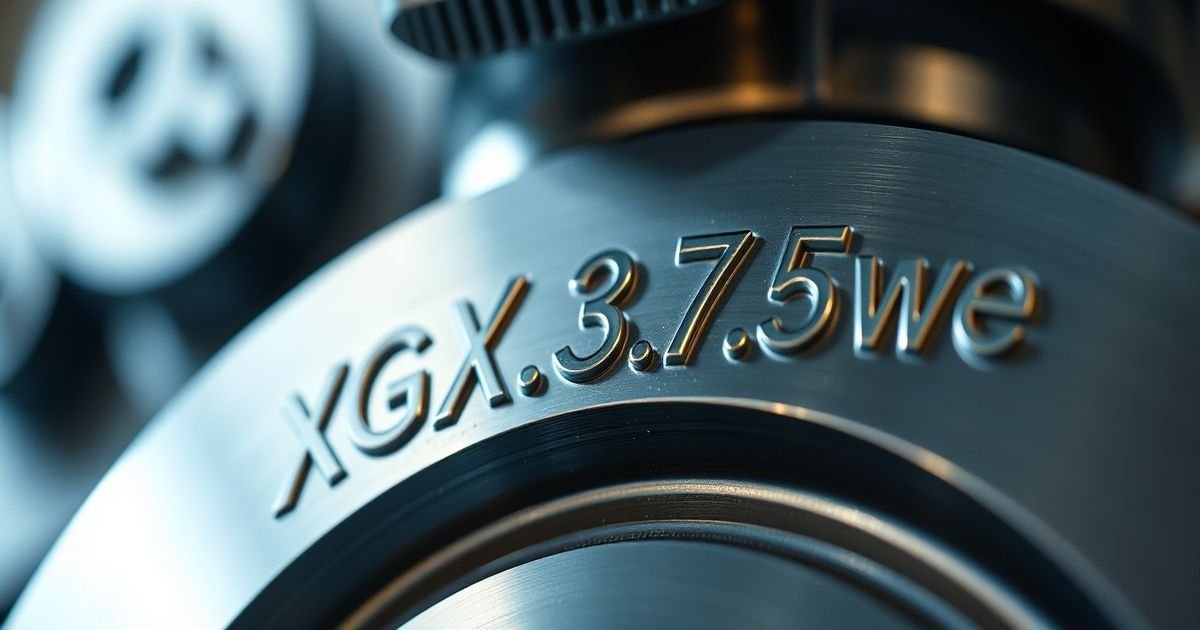
The xgh4.5.37k35aqwe model number represents a specific identifier for a piece of industrial or technical equipment, crucial for maintenance, sourcing parts, and ensuring compatibility. Unlike generic product names, this alphanumeric code encodes vital details about the device’s specifications, manufacturing batch, and intended application. Understanding this xgh4.5.37k35aqwe model number is essential for technicians, procurement specialists, and engineers working with complex machinery. Whether you’re replacing a component, verifying compliance, or integrating systems, correctly interpreting this identifier prevents costly errors and downtime. This guide demystifies the structure, significance, and practical use of the xgh4.5.37k35aqwe model number, providing actionable insights for professionals across manufacturing, automation, and facility management sectors.
What is the xgh4.5.37k35aqwe Model Number?
A model number like xgh4.5.37k35aqwe is far more than a random sequence; it’s a standardized code conveying specific technical and manufacturing information. Typically, such identifiers follow internal manufacturer conventions where segments denote attributes like product line (e.g., “xgh” might signify a sensor series), version or revision (“4.5”), capacity or size (“37”), and a unique variant or feature set (“k35aqwe”). This structured approach allows for precise identification in large inventories. For instance, the “k35” portion could indicate a specific communication protocol or environmental rating, while “aqwe” might reference a regional certification or custom modification. According to Wikipedia, model numbers serve as critical references throughout a product’s lifecycle, from design to decommissioning. Misinterpreting even one character in the xgh4.5.37k35aqwe model number can lead to installing incompatible parts, causing system failures or safety hazards. Always cross-reference the full code with official documentation.
Why Model Numbers Like xgh4.5.37k35aqwe Matter
Model numbers are the backbone of efficient technical operations. The xgh4.5.37k35aqwe model number enables several critical functions:
- Accurate Part Sourcing: Ensures replacements match exact specifications, avoiding fitment or performance issues.
- Warranty & Compliance Verification: Confirms device authenticity and adherence to regional regulations.
- Technical Support Efficiency: Allows support teams to quickly access device-specific manuals and firmware.
- Inventory Management: Streamlines tracking across global supply chains.
Ignoring model number precision risks operational disruptions. For example, using a part designed for “xgh4.5.37k35aqwe” but installing it on a “xgh4.5.37k35aqwf” variant could void warranties or trigger malfunctions. Technicians must treat the xgh4.5.37k35aqwe model number as immutable data. For deeper insights into industrial identification systems, explore our resources.
How to Identify and Decode the xgh4.5.37k35aqwe Model Number
Locating and interpreting the xgh4.5.37k35aqwe model number requires attention to detail. Follow these steps:
- Physical Inspection: Check labels on the device chassis, nameplates, or packaging. Look for engraved text or adhesive stickers near ports or mounting points.
- Documentation Review: Consult user manuals, purchase invoices, or CAD drawings where model numbers are formally recorded.
- Digital Systems: Access the device’s embedded interface (e.g., via HMI or software) where model info is often displayed in system settings.
- Manufacturer Verification: Use the OEM’s online portal or contact support with the full code for decoding assistance.
Decoding involves segmenting the string:
- Prefix (xgh): Likely denotes the product family (e.g., “xgh” = high-precision sensors).
- Version (4.5): Indicates hardware/software revision (e.g., 4th generation, 5th update).
- Core Specs (37): May represent capacity (e.g., 37kW motor) or size class.
- Suffix (k35aqwe): Encodes variants like communication type (“k35” = CAN bus) or certifications (“aqwe” = ATEX compliance).
Refer to the manufacturer’s coding key for definitive meanings. IEEE standards often influence such conventions, as noted by IEEE.
Troubleshooting Issues Related to the xgh4.5.37k35aqwe Model Number
Errors involving the xgh4.5.37k35aqwe model number commonly stem from misidentification or documentation gaps. Key issues include:
- Incorrect Part Orders: Sourcing based on partial codes (e.g., “xgh4.5” alone) leads to mismatched components.
- Software Compatibility Failures: Firmware updates designed for “xgh4.5.37k35aqwe” may brick devices with similar but distinct models.
- Regulatory Non-Compliance: Using uncertified variants in hazardous environments due to misread suffixes.
To resolve these:
- Always verify the full model number before procurement or updates.
- Cross-check with multiple sources (e.g., physical label + digital readout + manual).
- Consult OEM support if decoding ambiguities arise – never assume segment meanings.
Persistent issues might indicate counterfeit equipment. Report suspected fakes to the manufacturer immediately. For archival documentation of equipment histories, visit here.
Conclusion
The xgh4.5.37k35aqwe model number is a vital technical asset, not merely administrative data. Its precise interpretation ensures safety, compatibility, and operational efficiency across industrial applications. By mastering identification techniques and understanding its segmented structure, professionals mitigate risks and streamline workflows. Always prioritize official manufacturer resources when decoding complex identifiers like the xgh4.5.37k35aqwe model number, and treat every character as critical. As technology evolves, rigorous model number management remains foundational to reliable system integration and maintenance. Stay vigilant, document thoroughly, and leverage OEM support to harness the full value of these indispensable codes.
About the Author